
Sodium-Ion Batteries Enter Commercial Production for Stationary Storage
An emerging battery technology begins commercial production, offering potential advantages for specific applications.
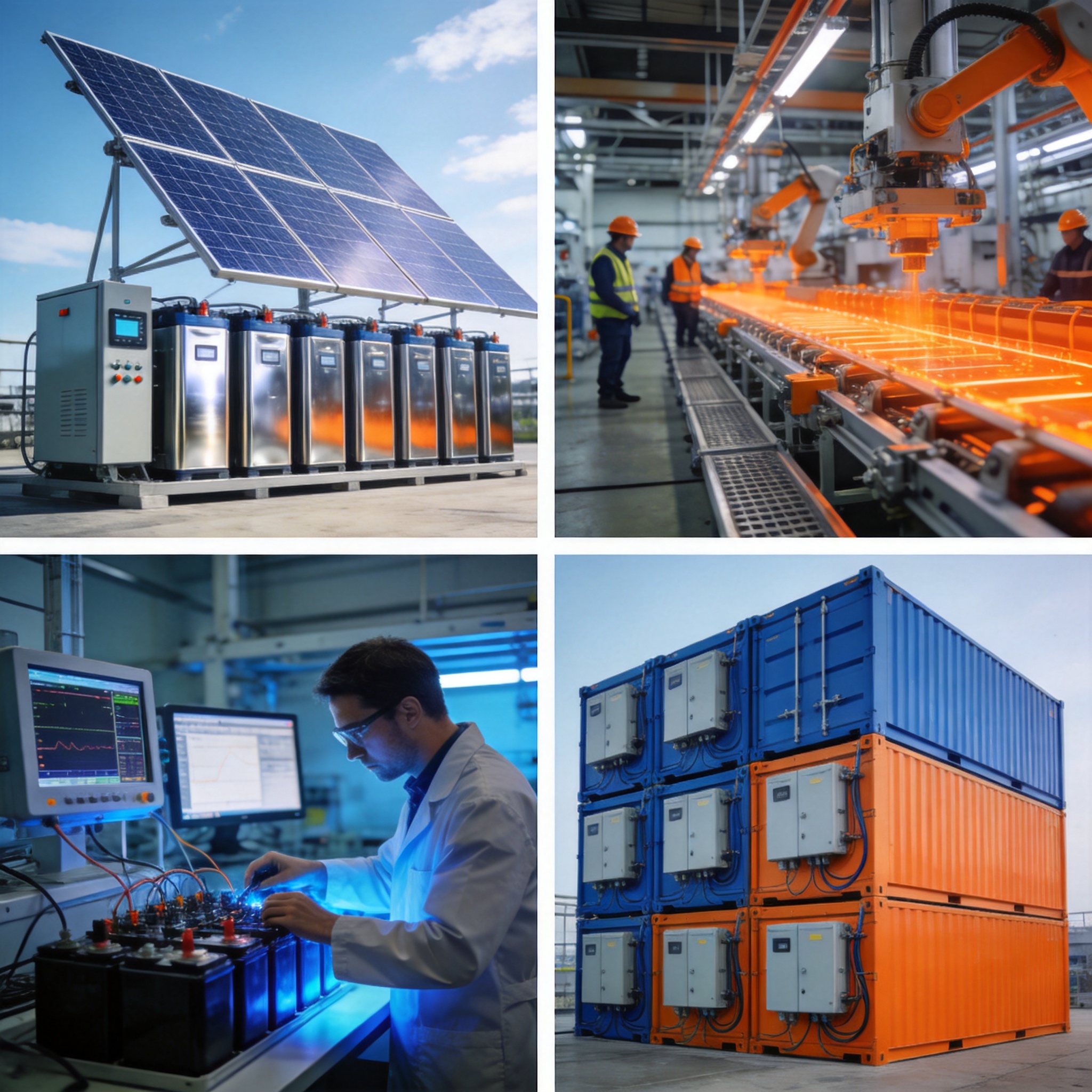
Sodium-ion battery technology has reached a significant milestone, with multiple manufacturers beginning commercial production for stationary energy storage applications. This emerging technology offers potential advantages in cost and resource availability compared to traditional lithium-ion batteries. Key characteristics of sodium-ion batteries include: - Abundant raw materials (sodium is widely available) - Lower material costs compared to lithium - Good safety characteristics similar to LFP - Lower energy density than lithium-ion - Developing cycle life and performance characteristics For stationary energy storage applications, sodium-ion batteries may be particularly suitable because: - Weight and volume are less critical than in mobile applications - Cost per kWh is a primary consideration - Safety is paramount for installations near populated areas - Long cycle life requirements can be met with current technology Several manufacturers have announced production capacities in the hundreds of megawatt-hours range, with plans for significant expansion. Early applications include residential storage, commercial peak shaving, and grid support services. Industry observers note that sodium-ion technology is not intended to replace lithium-ion batteries, but rather to complement them by serving applications where its specific advantages are most valuable. The technology is expected to play an important role in the overall energy storage landscape as the world transitions to renewable energy.
Contact Faran Technology with the target model, destination market and application requirements to receive the current datasheet, available compliance files and project configuration guidance.